


From Food Waste to Wealth: How Composting Equipment is Revolutionizing Organic Waste Management - A Case Study
The Global Shift Toward Decentralized Organic Waste Solutions
Across the globe, governments and industries are facing mounting pressure to tackle the mounting crisis of organic waste. According to the UN Environment Programme, roughly one-third of all food produced for human consumption is lost or wasted—amounting to nearly 1.3 billion tons annually. When this organic waste ends up in landfills, it decomposes anaerobically to release methane, a greenhouse gas 25 times more potent than carbon dioxide.
In response, the European Union's Landfill Directive continues to push member states toward diverting biodegradable waste from landfills. Similarly, China's waste classification mandate and the growing municipal organic waste regulations across North America and Southeast Asia signal a clear global trend: centralized landfill disposal is no longer sustainable. Instead, decentralized, on-site organic waste treatment is emerging as the most efficient and eco-responsible solution for commercial, industrial, and institutional settings.
The Technology: Integrated Composting Equipment
In line with this demand, a new generation of integrated composting equipment has been developed to address organic waste at its source. This all-in-one solution combines crushing, dewatering, and microbial fermentation functions into a single, automated system—reducing the original waste volume by 90 - 95%.
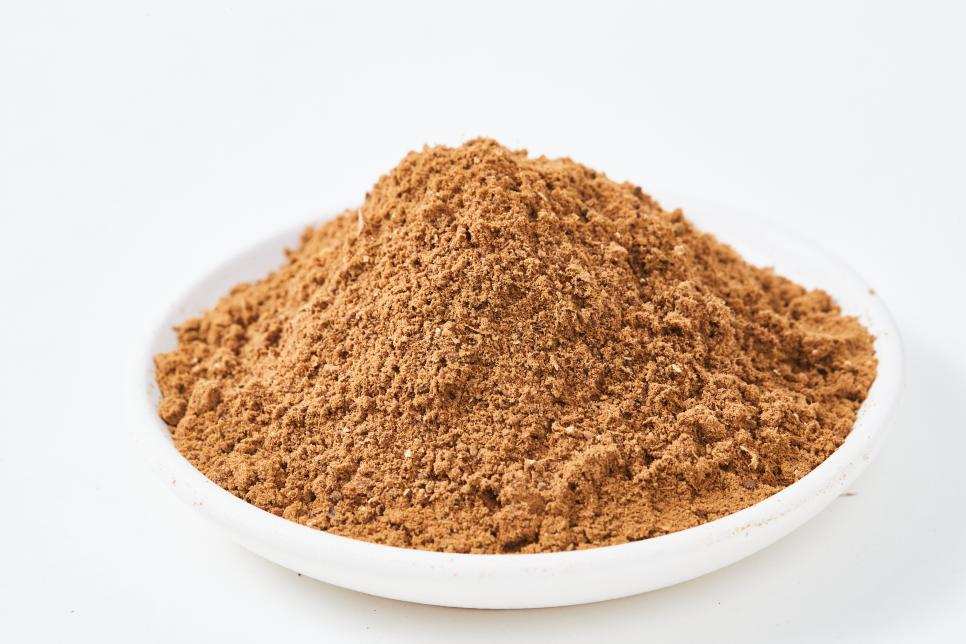
At the heart of the system is a high-temperature aerobic fermentation process. Once food waste is loaded, the equipment automatically adds specialized aerobic microbial agents. Within the sealed reactor, the organic matter is rapidly decomposed at elevated temperatures, transforming it into a stable, finished compost. The output is rich in organic matter and essential plant nutrients—nitrogen, phosphorus, and potassium—and can be used directly as a soil amendment or further processed into organic fertilizer. For context, one ton of this finished compost can replace approximately 134 tons of chemical fertilizer in agricultural applications.
Case Study: CNOOC Science & Technology Park
Background
The CNOOC Science & Technology Park, a large-scale corporate campus in China, faced a growing operational challenge: managing daily food waste generated by its employee canteen, which serves thousands of meals each day. Previously, the mixed waste required frequent collection and off-site transportation, incurring rising disposal fees and contributing to carbon emissions.
Implementation
The facility installed a 2-ton-per-day integrated composting system directly within the building's centralized waste treatment room. All lunch leftovers from employees—rice, vegetables, meat scraps, and fruit peels—are loaded into the equipment each day.

Process
The system automatically crushes and dewaters the incoming organic waste, then initiates a high-temperature aerobic microbial fermentation cycle. Over approximately 24 hours of continuous operation, the organic matter is broken down into water vapor, carbon dioxide, and a stable solid substrate.
Results
• Volume Reduction: The system reduces the original food waste volume by 90%.
• Resource Utilization: Nearly 100% of the treated waste is converted into a usable product—high-quality organic fertilizer and nutrient-rich soil.
• On-Site Reuse: The final compost is applied directly to green spaces within the CNOOC Science & Technology Park, including landscaped gardens and tree bases, replacing chemical fertilizers for campus landscaping.
• Economic & Environmental Benefits: The solution eliminated the need for daily waste collection and long-distance transportation, significantly reducing both logistics costs and associated carbon emissions. Odor complaints were also eliminated, and the building achieved full regulatory compliance for organic Waste Management.
Conclusion
The integrated composting equipment turned a daily waste liability into an on-site resource asset. For the CNOOC Science & Technology Park, what was once an expensive disposal problem is now a closed-loop, soil-enriching solution—demonstrating that decentralized composting technology is not only environmentally responsible but operationally and economically superior.